Access changed, but the door still has a fault
Access settings are not a mechanical repair.
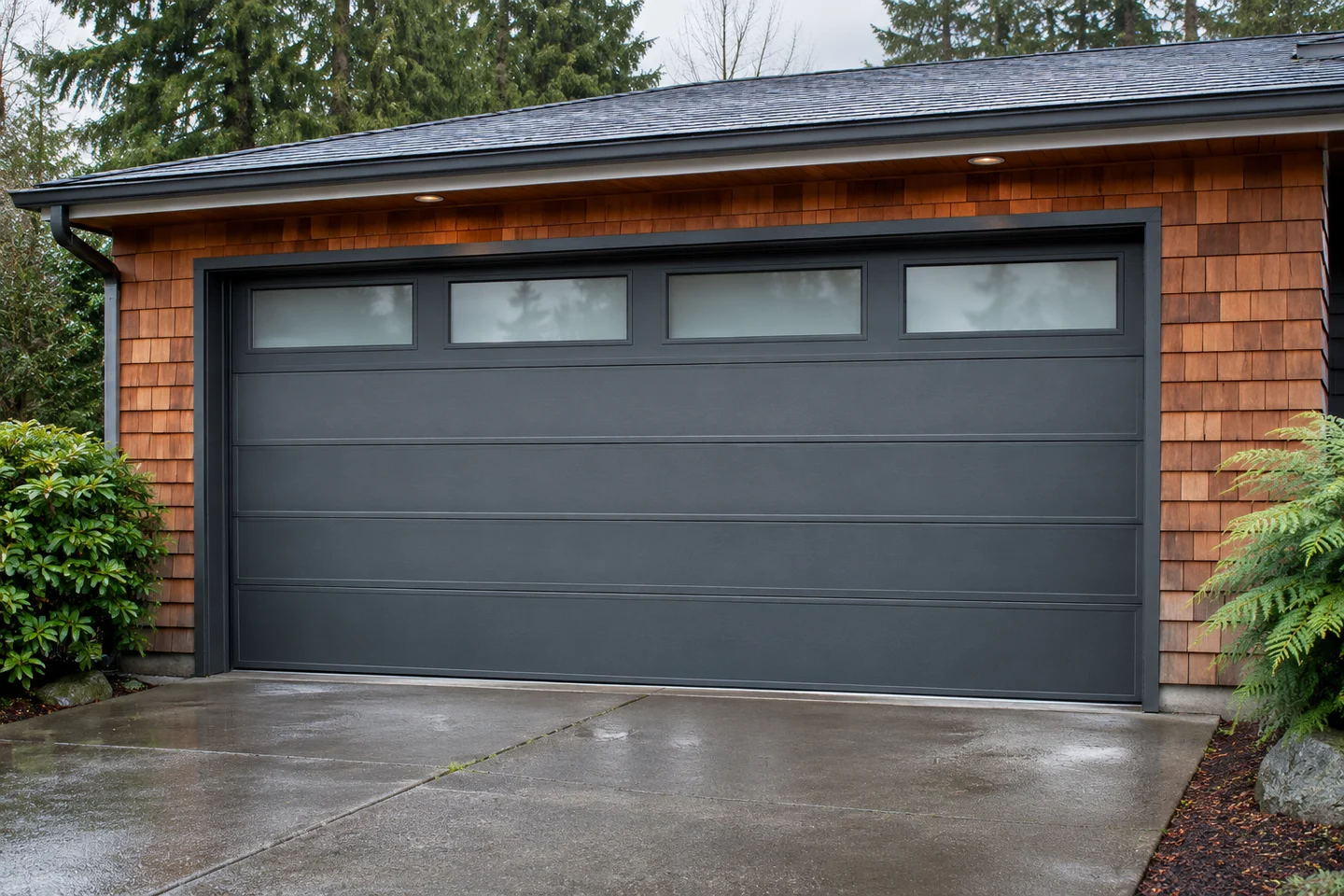
Changing a code or reviewing remotes will not correct a door that catches, tilts or makes a new noise. If the door is visibly damaged, keep it out of use. Describe the motion before focusing only on the remote.
Check before choosing a new opener.
An opener needs to work with a suitable door and lifting system. Ask what has been assessed and what the proposed equipment change would solve. Keep any model information and the existing remotes available for the conversation.
Review the other entrance too.
The door between the garage and house may need a rekey even when the overhead door operates well. The Federal Way locksmith page and moving-in checklist help keep those decisions separate.
Inherited remotes are only part of the access picture.
A move may leave you with a remote, a keypad code and little information about other controls. Identify the opener model and the ways it is operated. Ask about the supported process for changing access, rather than assuming that collecting the remotes removes every earlier credential.
The lock on the door into the house is separate. If an old key should no longer work there, arrange a mechanical-lock review as well. Keep the two requests distinct so the work agreed matches both ways of entering the property.
Do not overlook the condition of a door that still moves.
Explain any new noise, uneven travel or recent impact before focusing only on codes. A working button does not confirm that the door's hardware is in good condition. If damage is visible, leave it out of use pending assessment. Changing controls will not correct a damaged section, track or lifting component.