
Count the openings, not just the keys.
One key may open several doors, while two similar keys may belong to different systems. List the outside doors and the garage-to-house entrance. Identify which old keys you want to stop working and which doors they currently open.
Condition comes first.
Rekeying is not a repair for a stiff latch, damaged cylinder or door that only closes when lifted. A suitable lock can be rekeyed; a worn one may need repair or replacement as well. Explain both the access concern and any existing fault.
One key depends on compatible locks.
It may be possible to arrange compatible cylinders to use the same key. Different brands or keyways can limit that, even when the handles have the same finish. Keep the current keys available and check the actual hardware before assuming everything can match.
Mobile work and shop work are different.
People sometimes prefer taking a loose cylinder to a locksmith shop. Our published SeaTac address is a dispatch point, not a confirmed walk-in counter. Call before visiting or removing hardware. For an occupied home, discuss an arrangement that leaves the entrance secure.
Remember the other ways in.
A mechanical rekey does not reset garage remotes or electronic codes. Keep those on a separate line in your moving-in access list.
Count cylinders as well as doors.
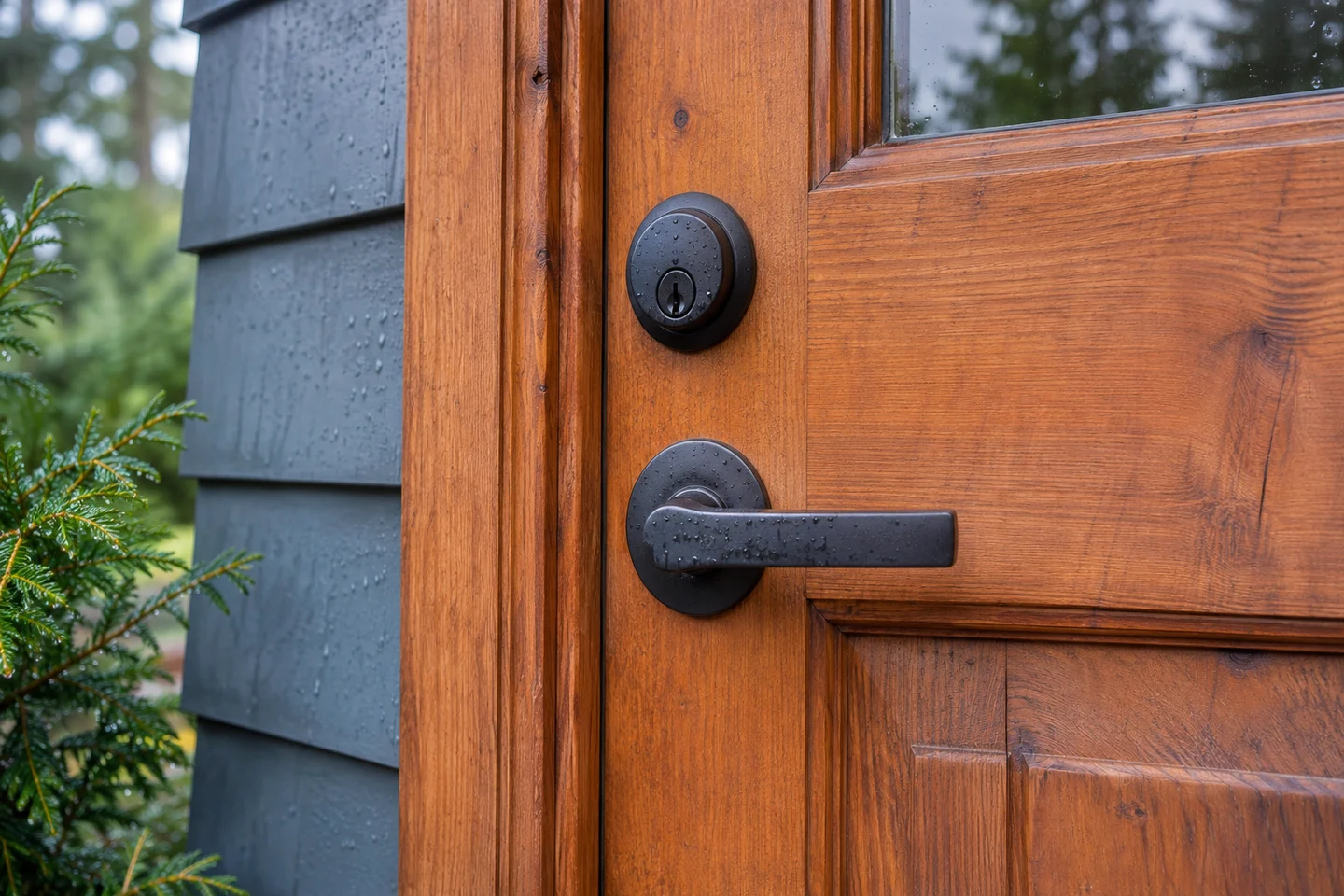
A door can have a knob lock and a separate deadbolt. Another may have only one keyed cylinder. That is why the number of doors alone may not describe the work accurately. Make a short list of the keyed components and the key that currently operates each one.
If you would like one key for several openings, say so before work is priced. The cylinders must be compatible; similar-looking handles do not settle that question. Some hardware may be kept as it is, while another opening needs a separate option explained.
What should a rekey quote cover?
Ask which cylinders are included, how many working keys will be supplied and whether a visit charge or other work is separate. A quote for a loose cylinder brought to a shop cannot automatically be compared with a visit covering several fitted locks.
Mention any stiff operation at the start. If the door or hardware needs repair too, keep that item clear rather than treating all work as rekeying. The useful comparison is the completed scope, not just the lowest number quoted without knowing the locks.
Check both the new keys and the old access.
Before the work is finished, confirm the new keys operate the intended locks and the old keys no longer operate the cylinders that were changed. Identify any doors intentionally left on another key. That makes it easier to give the right spare to a household member without guessing later.