
A mechanical key and a remote do different jobs.
A key that turns a cylinder belongs in a lock and doorway assessment. A remote sends a command to other equipment. A working remote does not prove the overhead door can move safely, and changing a house key will not reset that remote.
Review the doors after a move.
Identify the outside entrances and the keys left with you. If the hardware is suitable, rekeying may change access without new handles. Make a separate note of worn parts, damaged keys or a bolt that catches. Those faults need attention of their own.
Use the address beyond the landmark.
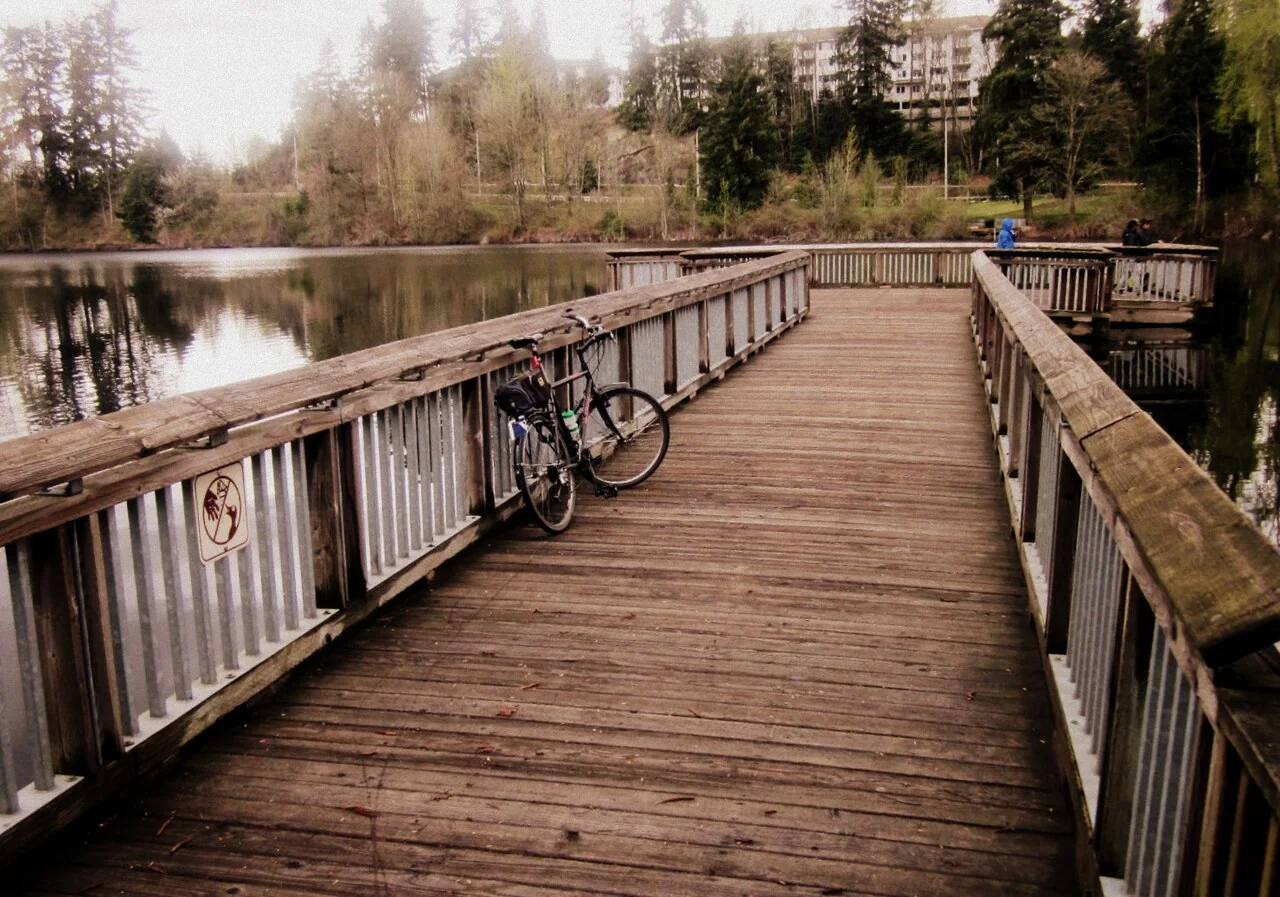
Lake Boren Park is a clear Newcastle reference, but a nearby property still needs its street and entrance identified. For an overhead door, go to Newcastle garage door repair; for a missing vehicle key, provide the make, model, year and parking details.
The garage-to-house door belongs on the list.
It is easy to think of the front door first when planning a key change. The entrance from the garage may use another cylinder, while the overhead garage door has separate remotes or codes. List the systems separately so none is assumed to change with the others.
If the house-entry lock sticks, explain how the key, handle and door behave. If the overhead door moves unevenly, stop using a visibly damaged system and request a separate assessment. Both can affect access to the same property without being the same repair.
A spare key should have a clear purpose.
Decide who needs routine access and who only needs an emergency spare. A suitable mechanical lock may be rekeyed without replacing a handle that still works well. Compatible cylinders may share a key, but that needs checking against the actual hardware.
The moving-in checklist is useful for keeping those decisions together. For requests around Lake Boren Park or elsewhere in Newcastle, give the actual address and entrance; the landmark provides context rather than a service location on its own.