
Start with the physical doors.
List the front, back and side doors, plus the door between the house and garage. Check which current key works where. Note loose handles, catches or bolts that need an extra push. An access change and a repair may belong in the same visit, but they solve different problems.
Choose what should stay.
A sound, suitable lock may only need a different working key. Hardware that is damaged, poorly fitted or unsuitable needs a separate decision. Similar finishes do not mean two locks can share a key; compatibility depends on the cylinders.
Give garage access its own line.
A garage remote is not changed by rekeying the house. Review remotes, wireless keypads and any connected accounts separately, using the instructions for the actual equipment or appropriate help. Do not assume that deleting one remote or changing one code removes every other form of access.
Shared entrances need an authorized decision.
In an apartment, condo or managed building, confirm responsibility before changing common-door hardware or access settings. Your own front-door key may be part of a wider system. A landlord, building manager or association may need to approve the work.
Decide where the spare will live.
One spare on the same ring as the main key is easy to lose at the same time. Choose a sensible separate arrangement and keep a small record of issued keys. If access needs change later, that record is easier to use than guessing who received a copy.
Do not let a working remote hide a door problem.
If the overhead door tilts, catches or moves badly, that is a garage-door repair question. If the door into the house sticks, it is a lock or doorway question. Sorting them separately makes the proposed work easier to understand.
Count the keyed parts on each opening.
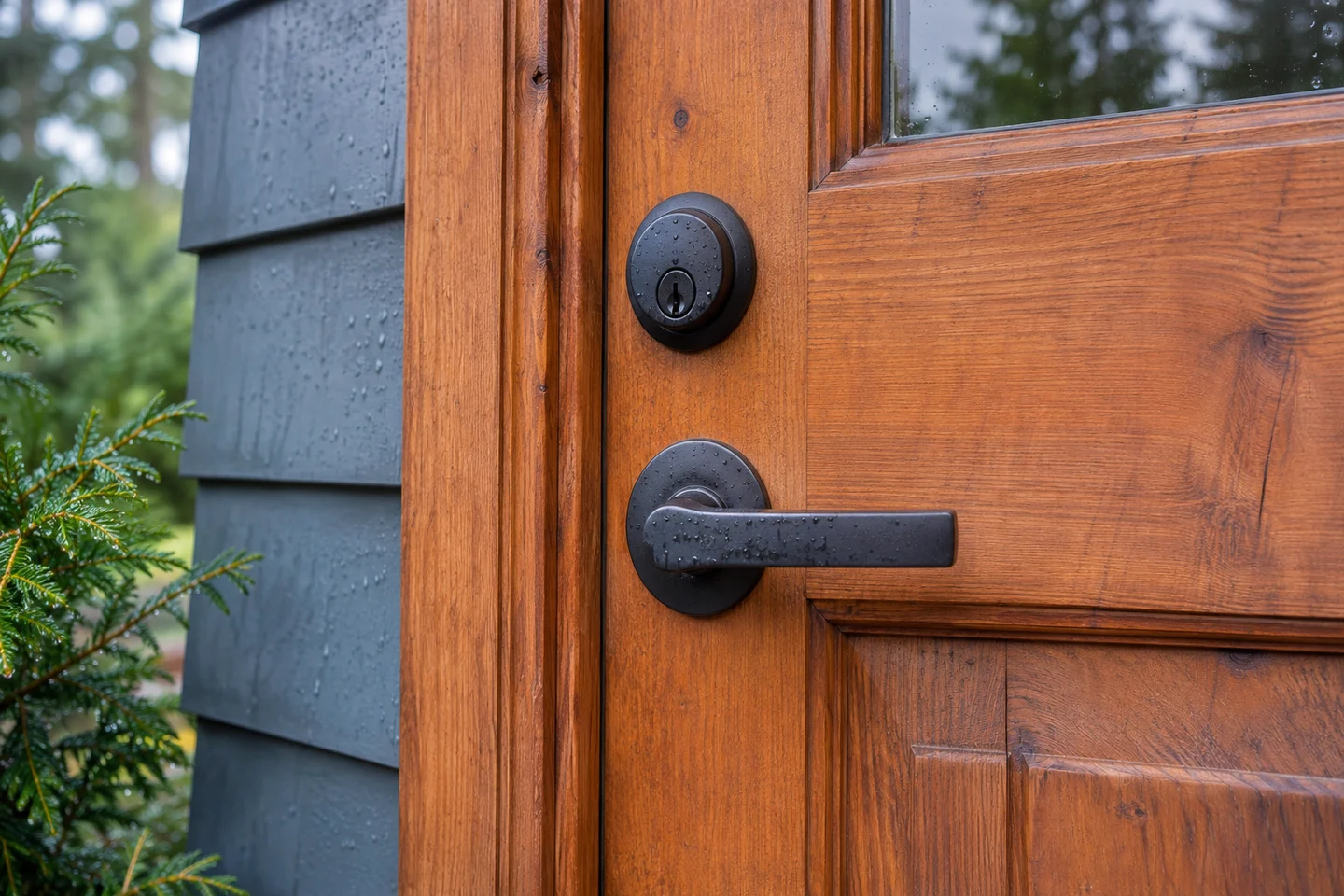
A front door may have a separate deadbolt and knob cylinder. Another door may use a different keyway even when the finishes match. Put those details next to your door list, and keep the supplied keys available. This gives a rekey request more meaning than simply saying three doors.
Ask how many new keys are included and which openings can share a key. If a cylinder is unsuitable or damaged, have the alternative explained separately. A clear scope lets you compare keeping useful hardware with changing the parts that need it.
Finish with a record you can use.
Label the keys by purpose without attaching unnecessary identifying information to a key you carry. Keep the hardware models, supplied instructions and warranty details together. Note which codes and remotes were reviewed and which shared systems remain under a manager's control. That small record makes the next spare, repair or change of access easier to understand.
TAKE THIS WITH YOU
Changing a house key does not reset a garage remote or a building access system.