
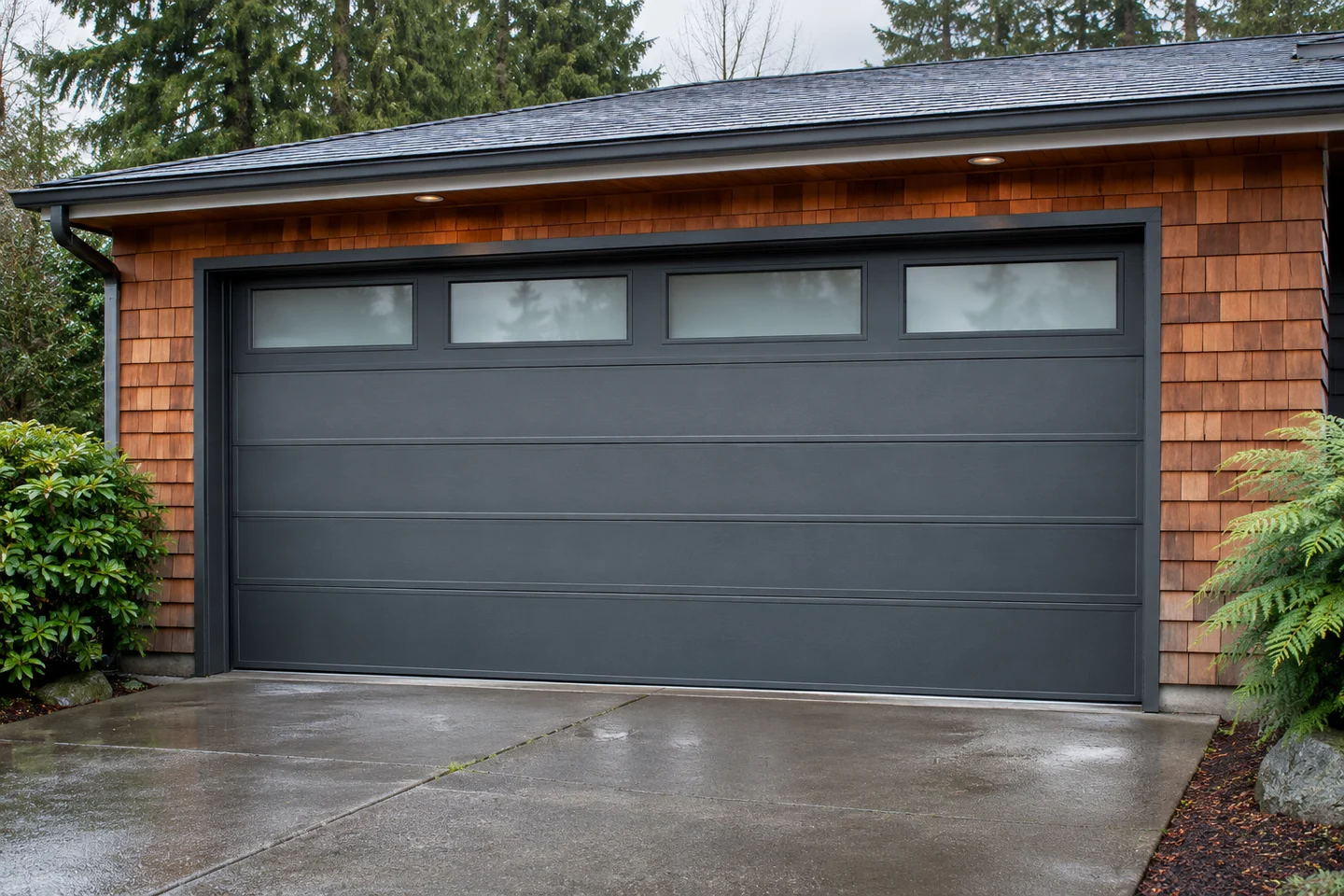
The door moves, but no longer evenly
A remote does not tell the whole story.
A control may send a command correctly while a problem remains in the door or lifting hardware. Mention which controls respond, but also describe how the door travels. Keep people clear if it looks damaged or sits unevenly.
Explain what changed.
Was there an impact? Did the problem begin suddenly? Was work recently carried out? Keep any relevant paperwork and model information available. An assessment should use those facts rather than assumptions about the age or appearance of the property.
Plan access separately from repairs.
If you have moved in, review remotes and codes even when the mechanism works. Changing the mechanical house key will not reset them. The Mercer Island locksmith page and moving-in guide explain that distinction.
Uneven travel deserves a pause.
A door that sits at an angle can involve hardware carrying significant load. Keep clear, do not stand beneath it and avoid trying to make it level by force. Remote commands do not make a visibly damaged door safe to move.
Describe when the change appeared and any recent collision, work or unusual sound. Include the current position so access to the property can be discussed alongside the repair. The first assessment should establish the affected parts rather than treating the tilt as a cosmetic issue.
Keep the access plan realistic while it is out of use.
Explain whether another ordinary entrance is available and who can authorize work at the property. Do not assume the overhead door and the house-entry lock need the same service. Once the garage repair is assessed, ask which components will stay, what will be replaced and what operating checks are included before the door returns to use.